
How Systems Mirror Narcissistic Abuse — And Why Your Healing Threatens Their Control
Systemic Narcissistic Abuse: When the Institutions Meant to Help Become the Source of Harm
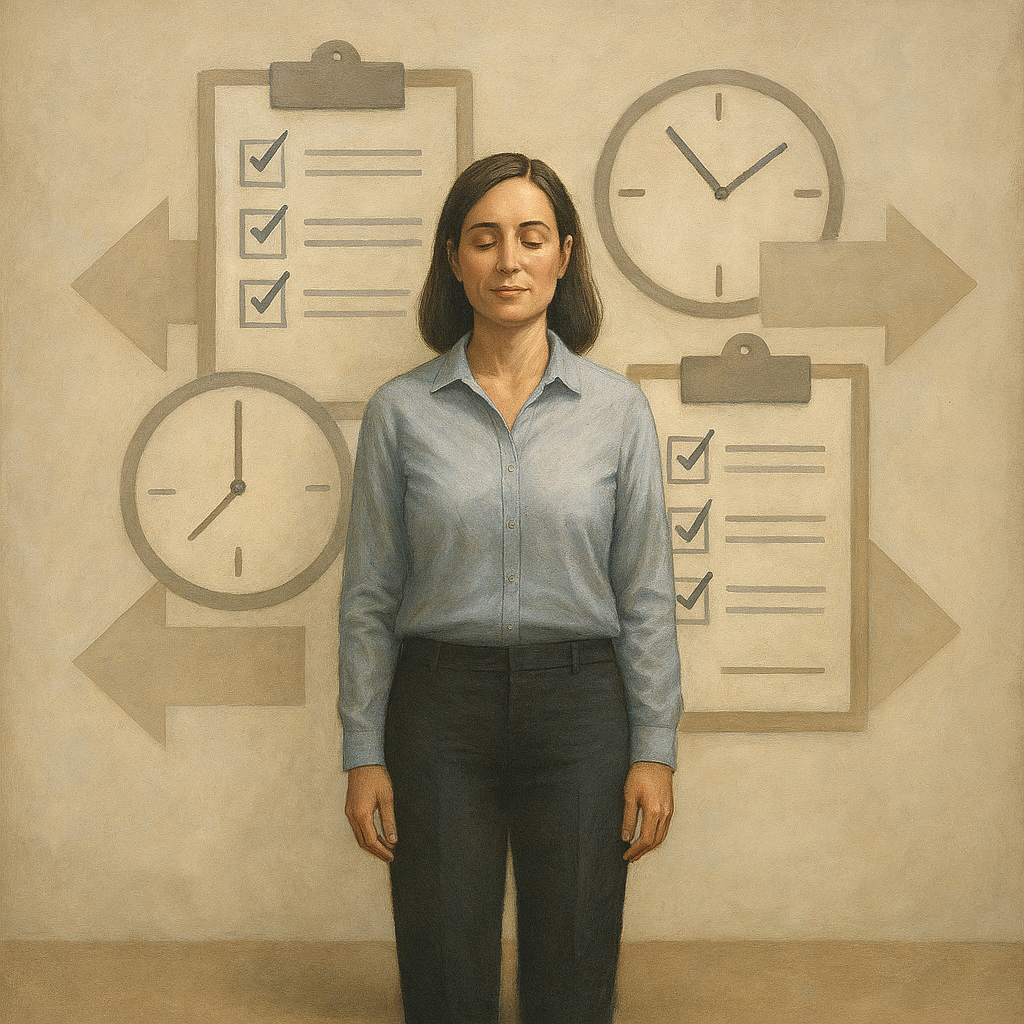
There’s a type of narcissistic abuse that most people don’t talk about because it doesn’t come from a partner, a parent, or a family member.
It comes from systems.
And when you’re neurodivergent or otherwise disabled, a woman, a single parent, or a survivor trying to rebuild your life, systemic narcissistic abuse hits harder than any trauma that one person could ever inflict.
Because there’s no breakup. No blocking. And there's no going no-contact with a government agency.
You’re trapped in a loop run by entities who control your access to basic human needs, such as housing, safety, health care, disability accommodations, transportation and justice.
And when those systems fail you on purpose, the impact can be long-lasting and devastating.
What Is Systemic Narcissistic Abuse?
It’s when an agency or institution behaves just like a narcissistic individual:
- Withholding essential support
- Blaming you for their failures
- Using confusion as a tool of control
- Creating impossible requirements
- Gaslighting you into believing you're the problem
- Punishing you for speaking up
- Sabotaging your stability and then acting shocked
If that sounds like an abusive relationship… that’s because it is! Just at a larger scale.
Examples of Systemic Narcissistic Abuse:
1. Withholding accessibility & then blaming you for struggling:
- Denying disability accommodations
- Refusing to process documentation you’ve already submitted
- Losing your records and insisting you “never sent them”
Narcissistic parallel: an abusive partner withholding affection and then calling you “too emotional.”
2. Creating barriers on purpose. Systems often design processes to exhaust you:
- Endless paperwork
- Delayed appointments
- Policy contradictions
- Constant referrals with no resolution
- “Come back in 30 days” when you’re already in crisis
Narcissistic parallel: setting you up to fail, then using the failure as evidence that you’re incapable.
3. Punishing you for self-advocacy. When you speak up:
- Your applications stall
- Caseworkers become unresponsive
- Supervisors disappear
- You’re labeled “difficult” or “non-compliant”
Narcissistic parallel: an abuser retaliating when you enforce boundaries.
4. Targeting the caretaker role. For single mothers, the abuse becomes strategic:
- Delays in child support processing
- Failure to issue benefits
- Refusal to coordinate services
- Agencies that use your children’s needs as leverage
Narcissistic parallel: a narcissistic spouse using children as tools of manipulation.
5. Masking incompetence as policy. Instead of admitting wrongdoing, the system:
- Redefines rules
- “Can’t locate your file”
- Claims your paperwork was incomplete
- Tells you to restart the entire process
Narcissistic parallel: rewriting history to avoid accountability.
Why Systemic Narcissistic Abuse Is More Damaging:
Because you can’t get away! You can leave a relationship, but you cannot leave the housing authority, the disability office, or the court system when your survival depends on them.
And when multiple systems collapse at once, it creates the illusion that you are the issue, not the institutions.
But truthfully, you can be “perfect on paper” by being educated, motivated, stability-oriented and still live in poverty because the system strategically blocks every path out.
That’s not a personal failure.
That’s by design.
The Panic Narcissistic Systems Feel When You Heal:
When you:
- get informed
- get organized
- get loud
- get documentation
- get media involved
- get advocacy groups engaged
The system loses control. Just like a narcissist, institutions prefer:
- people who are overwhelmed
- people who comply
- people who don’t have support
- people who are too exhausted to fight back
Your clarity is their disruption.
Your healing is their threat.
Your documentation is their fear.
Ways to Protect Yourself (and Your Nervous System):
1. Document everything! This includes names, dates, emails, phone calls, screenshots, letters — EVERYTHING.
2. CC supervisors or compliance departments. Systems behave differently when they know you’re not alone.
3. Notify multiple agencies at once. It reduces retaliation and increases accountability.
4. Share your story publicly but safely. Systems operate in the dark and panic under visibility.
5. Name the pattern, not just the incident. It shifts the blame off of you and onto institutional behavior.
Final truth:
What you’re experiencing is not a reflection of your ability. It is a direct reflection of the system’s dysfunction.
Your story matters.
Your clarity matters.
Your healing matters.
And the more people who understand systemic narcissistic abuse and its societal effects, the harder it becomes for these institutions to continue harming families who are already carrying more than enough.
The Cocoon 🦋